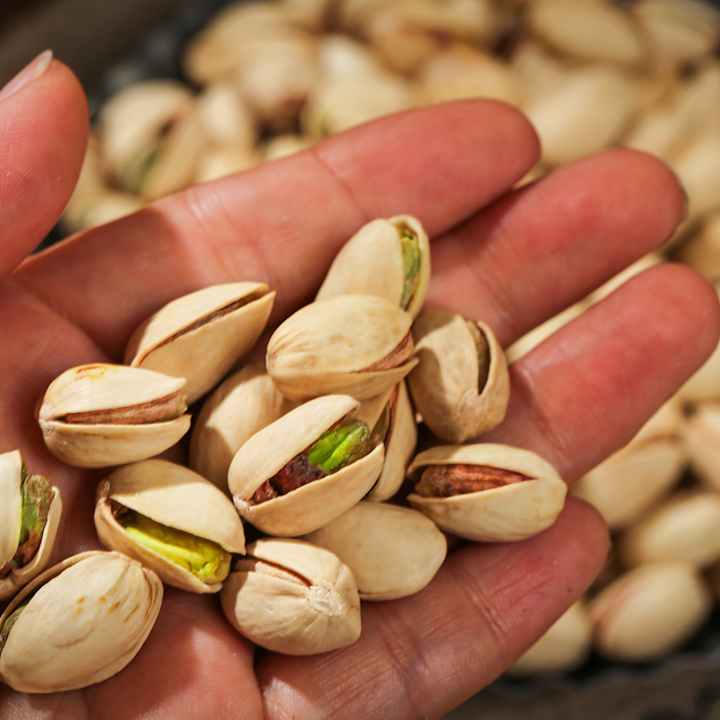
Pistachios, with their vibrant green hue and delicate sweetness, have long been the jewel of festive tables across the Muslim world. In modern Ramadan settings—from Istanbul’s heritage patisseries to Dubai’s luxury chocolatiers—pistachios bridge tradition and contemporary indulgence.

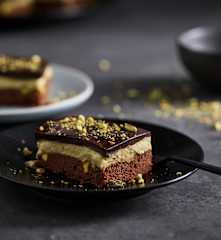
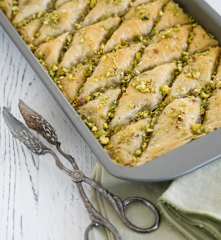
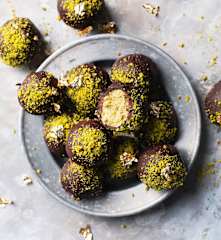
Think glossy chocolate bars studded with roasted pistachios, artisan pralines filled with pistachio gianduja, and gift boxes curated for Iftar and Eid—where the elegance of Dubai-style chocolate meets the timeless warmth of Ramadan hospitality. Whether crowning a tray of baklava or elevating premium confections, pistachios carry the season’s spirit of generosity, refinement, and shared delight.
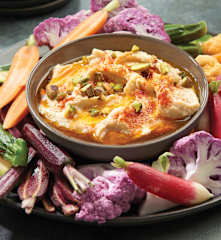
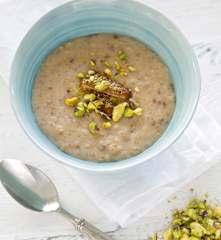
Pistachios are nutrient-dense: they provide plant-based protein, fiber, mono- and polyunsaturated fats, potassium, magnesium, vitamin B6, and antioxidants such as lutein and zeaxanthin. At Suhoor, their mix of protein, healthy fats, and fiber supports a steadier release of energy, helps reduce sudden hunger, and complements hydration when paired with fruit, yogurt, or whole grains. At Iftar, pistachios can enrich appetizers or desserts, though portion control remains important. From a metabolic perspective, pistachios can help moderate the glycemic response when eaten with carbohydrate-rich foods, and they fit well into mindful sweets or nutrient-rich snacks rather than heavy, syrupy desserts. Their fiber supports digestion, which becomes especially important as eating rhythms change during fasting. Be mindful of salt content: salted pistachios can increase thirst, so unsalted options or moderate portions are better suited to Ramadan.
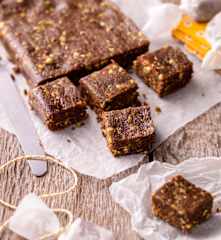
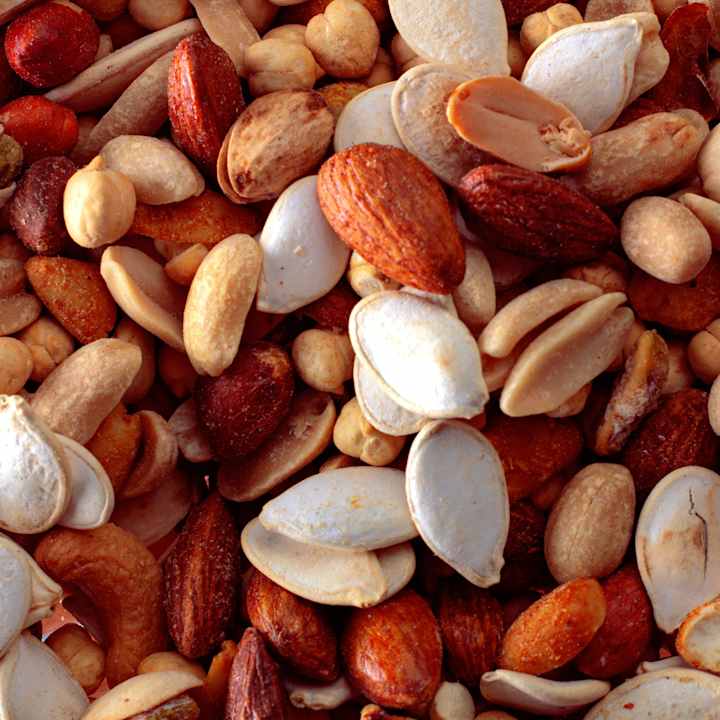
During Eid, pistachios feature in festive pastries and sweets as a sign of quality and as a decorative touch. They are popular in gift assortments such as nut mixes and sweet boxes, and they work well in balanced gifts when paired with dried fruits. In keeping with healthy Eid guidance that emphasizes portion control, good hydration, and a gradual return to regular routines, pistachio-based or pistachio-topped treats can be enjoyed mindfully.
Pistachios are energy-dense despite their benefits; small portions (a handful, about 25–30 g) fit best into a balanced Ramadan diet. Prefer unsalted pistachios; pair salted ones with extra water. Smart pairings include complex carbohydrates like whole grains, legumes and dairy like yogurt for Suhoor, or fruit and milk-based desserts to temper sugar load at Iftar. Gentle movement after Iftar, for example a short walk, supports digestion and metabolism and is helpful after nut- and dessert-rich meals.
• Use unsalted pistachios in Suhoor bowls with whole grains and yogurt
• Pair pistachios with fruit in lighter desserts
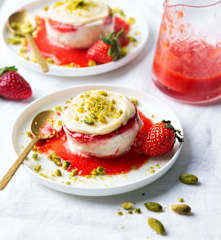
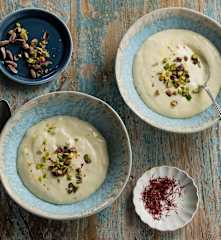
• Use pistachios as toppings on milk-based desserts
• Incorporate pistachios into balanced Iftar plates followed by light activity